JOURNALIST, AUTHOR, ASPIRING HISTORIAN
Shantanu Nandan Sharma
A Reporter in the Field, a Historian in the Archives
Shantanu Nandan Sharma is a Senior Editor and feature writer at The Economic Times, bringing with him over three decades of journalistic experience. His work blends analytical depth with compelling storytelling, always grounded in rigorous on-the-ground reporting.
A widely travelled journalist, Shantanu has written at least one feature story from every Indian state. He firmly believes in the power of strong visuals on the page — one reason why a DSLR camera is his constant companion.

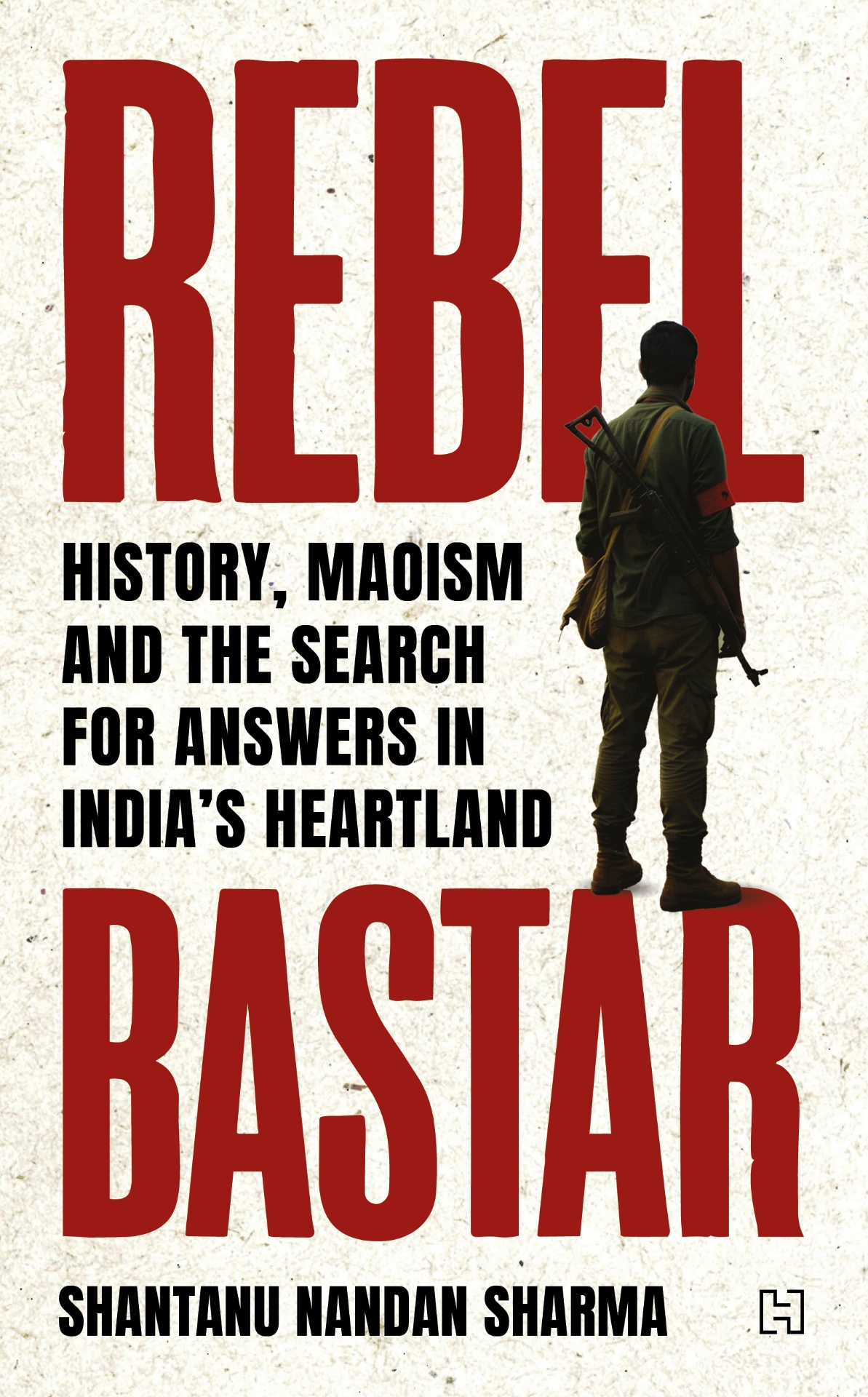
The New Book — 2026
Rebel Bastar
HISTORY, MAOISM AND THE SEARCH FOR ANSWERS IN INDIA’S HEARTLAND
Rebel Bastar: History, Maoism and the Search for Answers in India's Heartland — a mix of ground reporting with history — is the outcome of an attempt to answer a simple question: Why did Maoism thrive in Bastar of Central India and sustain for decades when it failed to take root in several other regions with similar conditions of forests, poverty, and underdevelopment? In seeking answers, the author draws upon both his disciplines — approaching the subject as a historian who unearths primary sources and as a journalist who writes with clarity for the general reader.
Read more about the bookPraise for Rebel Bastar
“Senior journalist and author Shantanu Nandan Sharma’s book is masterful for its research on the history and society of Bastar. It draws on years of field reporting, archival records, and colonial accounts to paint a rich tapestry of a slice of India most Indians know nothing about.”
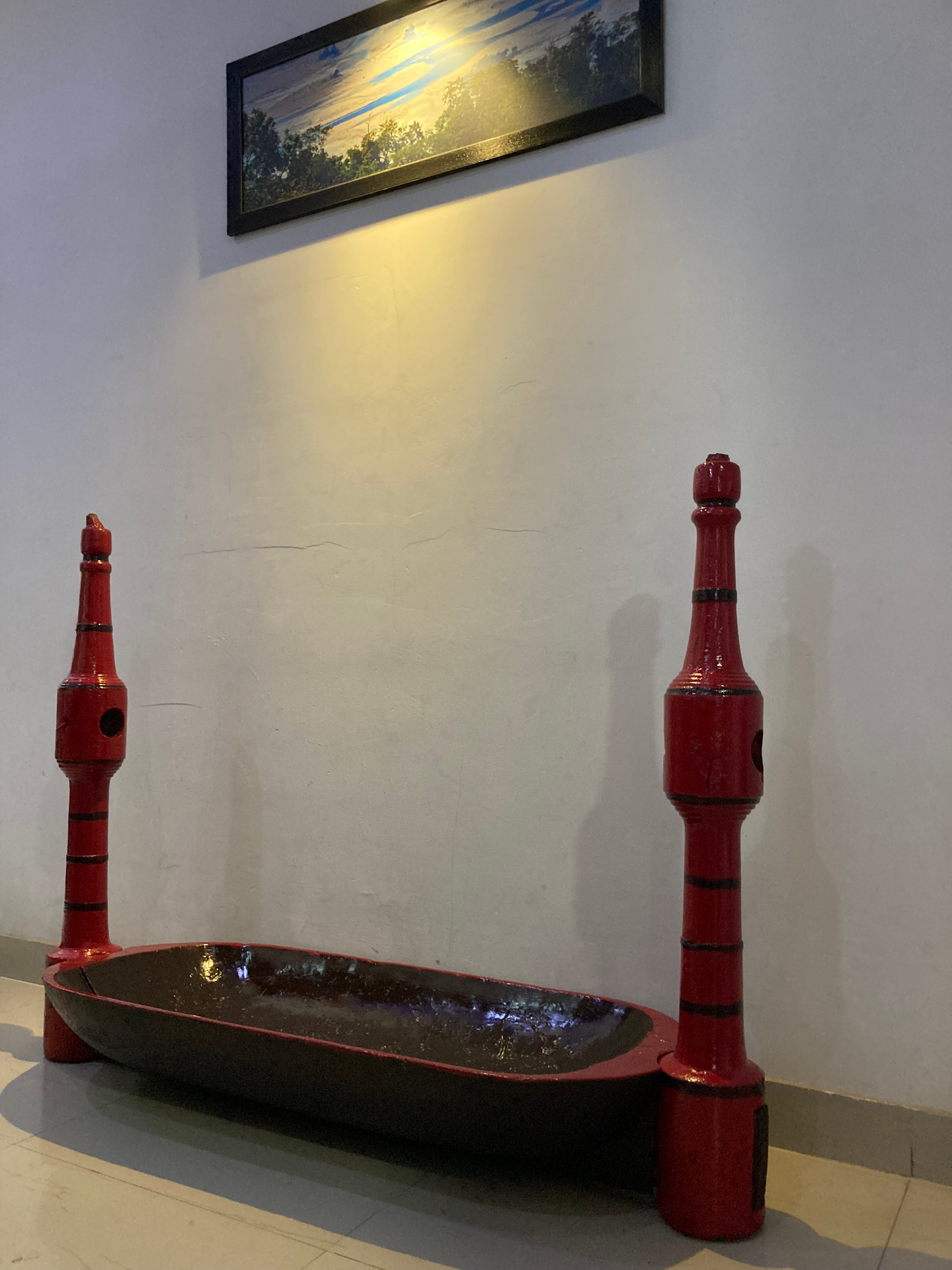
Built around 1910 by craftsmen of Golaghat, Assam, this austere wooden dola (palanquin) belonged to Shantanu's great-grandmother, Damayanti Devi.
Current location: Greater Noida West
A Personal Collection
Preserving the Past, and the Present
Every object carries a history. Some are antiques, some are vintage, and some are quietly becoming tomorrow's heritage.
Beyond journalism and archival research, Shantanu preserves artefacts that illuminate everyday life — family heirlooms and remnants of disappearing technologies — valued not for their age but for the stories they carry of people, craftsmanship, and social change.