About

JOURNALIST, AUTHOR, ASPIRING HISTORIAN

Three decades of journalism, a passion for history, and a feature story from every Indian state

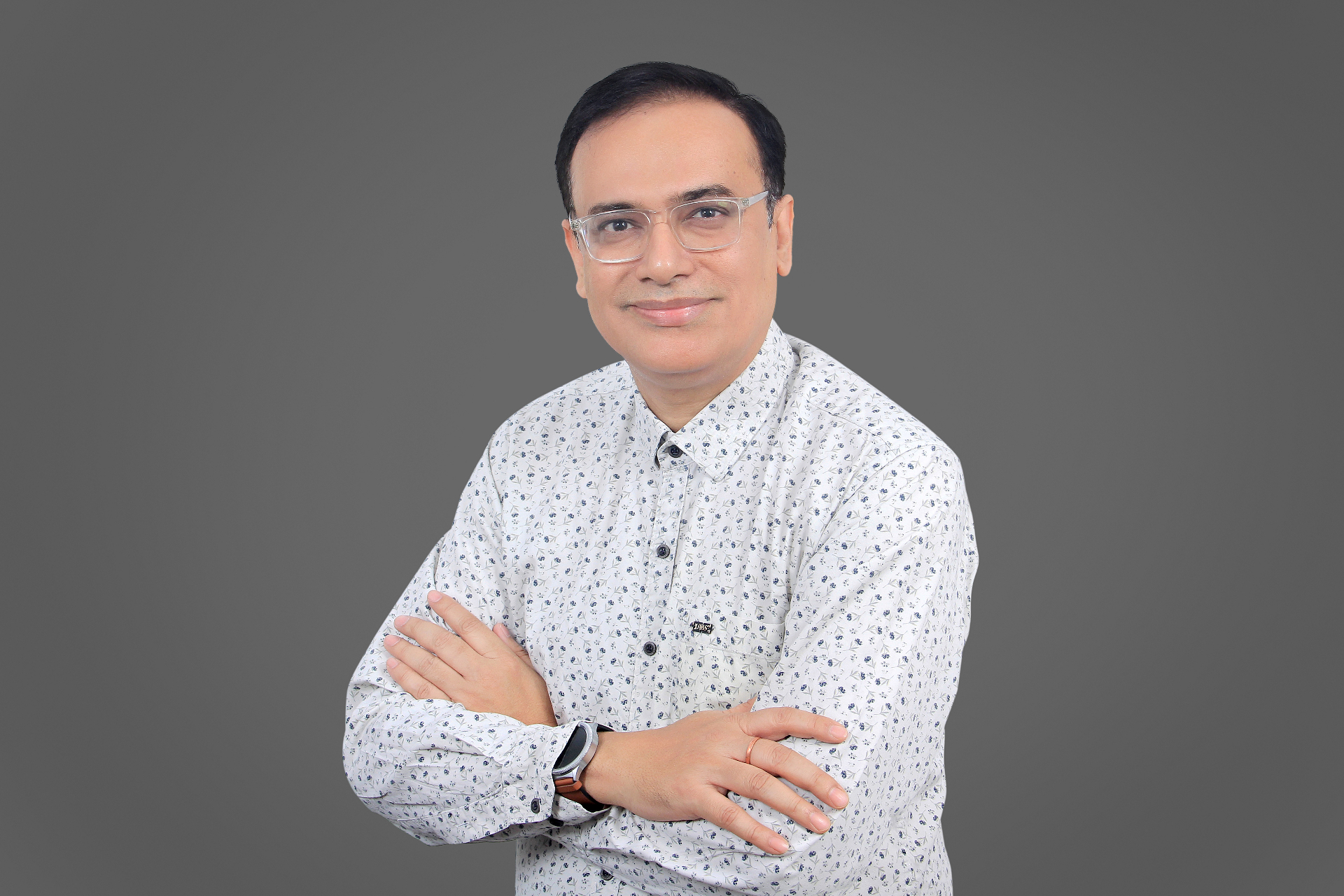
Portrait of Shantanu Nandan Sharma

Based in

National Capital Region of Delhi, India

Languages

Assamese, English, Hindi

"A Bad Photograph Kills a Good Story"

Shantanu Nandan Sharma is a Senior Editor and feature writer at The Economic Times, bringing with him over three decades of journalistic experience. His work blends analytical depth with compelling storytelling, always grounded in rigorous on-the-ground reporting.

A widely travelled journalist, Shantanu has written at least one feature story from every Indian state. He firmly believes in the power of strong visuals on the page — one reason why a DSLR camera is his constant companion.

Originally from Assam, Shantanu moved to Delhi in 1989 to pursue his first love — history. He completed both his graduation and post-graduation from Delhi University.

His book, Rebel Bastar — a blend of ground reporting and history — is the outcome of a sincere attempt to answer a simple question: Why did Maoism thrive in Bastar of Central India and sustain for decades when it failed to take root in several other regions with similar conditions of forests, poverty, and underdevelopment?

In seeking answers, he draws upon both his disciplines — approaching the subject as a historian who unearths primary sources and as a journalist who writes with clarity for the general reader.
A Personal Collection

Preserving the Past, and the Present

Every object carries a history. Some are antiques, some are vintage, and some are quietly becoming tomorrow's heritage.

Beyond journalism and archival research, Shantanu has a deep interest in preserving historical artefacts that illuminate everyday life. From family heirlooms to remnants of disappearing technologies, these objects are valued not merely for their age but for the stories they carry — of people, places, craftsmanship, memory, and social change.

This growing personal collection reflects a belief that history is preserved not only in archives and libraries but also in the objects that quietly survive generations.

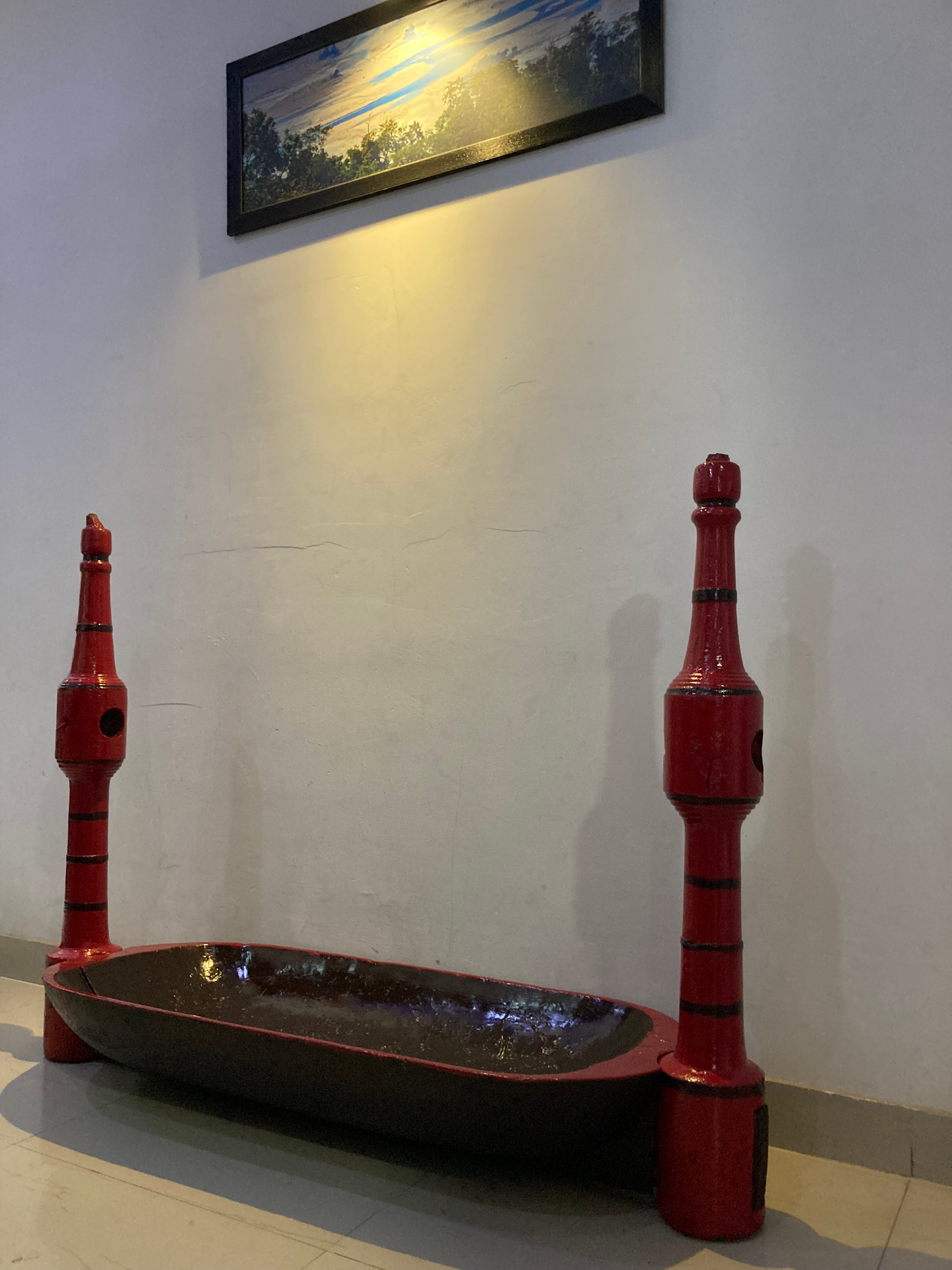
Burhi Aita's Dola, c. 1910 — a wooden palanquin from Assam
Burhi Aita's Dola · c. 1910

COLLECTION-1

Burhi Aita's Dola

c. 1910 · Current location: Greater Noida West

Built around 1910 by skilled craftsmen of Golaghat, Assam, this austere wooden dola (palanquin) belonged to Shantanu's great-grandmother, Damayanti Devi (1893–1975).

Unlike the enclosed palanquins common in many parts of India, this Assamese dola resembles a small open bed carried beneath the sky. Painted in its original muted green, it represents a distinctive regional tradition of craftsmanship and travel.

Damayanti Devi, affectionately known within the family as Burhi Aita (the elder grandmother), was a gifted homemaker who wove exquisite textiles, sang traditional borgeets, and recited Sanskrit slokas. In happier years she lived comfortably, but after the untimely death of her husband she faced severe financial hardship. To support her family, she rented this dola for weddings and village fairs, earning a modest income during difficult times.

Today, the century-old palanquin embodies not only family memory but also the social history of transportation, craftsmanship, women's resilience, and rural enterprise in early twentieth-century Assam.

When Shantanu arranged to transport this heirloom from his ancestral home in Assam to Delhi in 2023, he discovered that its original carrying pole had disappeared over the decades. Rather than commissioning a replica, he chose to preserve the object in its authentic, incomplete state — a reminder that conservation values historical integrity over artificial perfection.

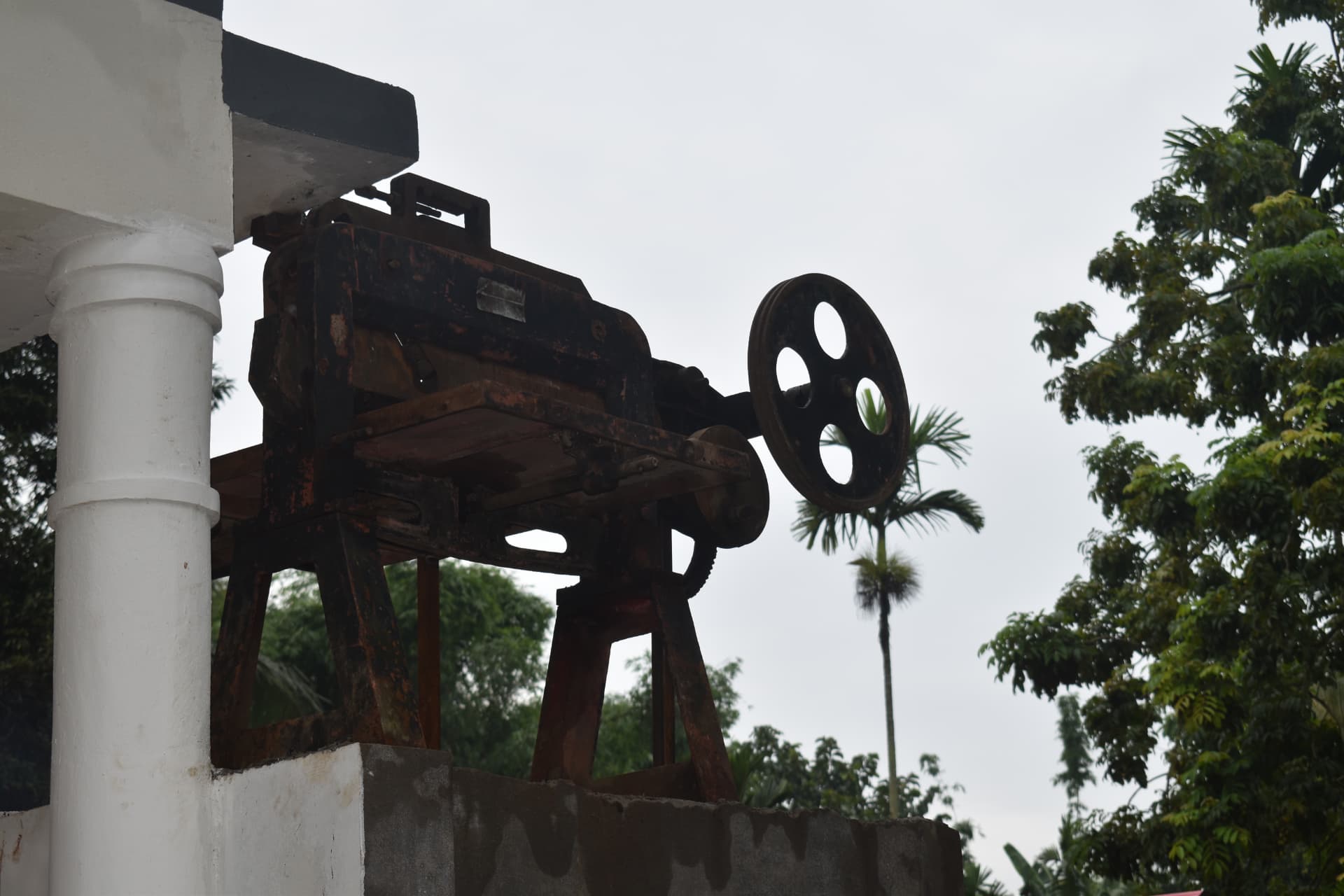
Manual paper-cutting machine, 1979, from a letterpress in Narayanpur, Assam
PAPER-CUTTING MACHINE, 1979, AS INSTALLED AT THE SITE

COLLECTION-2

Manual Paper-Cutting Machine

1979 · Current location: Original press site, Narayanpur, Assam

The original printing machines have fallen silent, but one survivor remains — a manual paper-cutting machine that once formed part of a thriving letterpress established in Narayanpur, Assam, in 1979.

The press was founded by Shantanu's parents, Shiva Sharma, who served as Principal of Madhabdev College (now Madhabdev University) for more than three decades, and Ela Sharma, the institution's first woman faculty member, who taught philosophy.

Its establishment coincided with a period of profound social transformation in Narayanpur, as the region moved from bicycles and bullock carts to Vespas and Ambassadors, and from widespread illiteracy towards expanding educational opportunity and civic awareness.

For nearly four decades, the press produced textbooks, pamphlets, wedding invitations, children's literature, community publications, and countless printed materials that documented everyday life across the Narayanpur–Bihpuria region of North Assam. During the Assam Agitation (1979–1985), it also printed protest appeals, political literature, and poems that reflected the anxieties and aspirations of a turbulent era.

Although the press eventually ceased operations, Shantanu chose to preserve the paper-cutting machine at its original location rather than relocate it. Standing where it always stood, it remains a tangible reminder of a disappearing world of hand-operated printing technology and of the role local presses once played in shaping public discourse and preserving regional history.

One press. A thousand stories.